
In the heart of Uganda’s Murchison Falls national park, a quiet revolution is underway. Oil exploration, often associated with noise, disruption, and environmental degradation, is being reimagined through a blend of innovation and ecological sensitivity.
From silent rigs and downward-facing warm lighting to cutting-edge directional drilling and real-time wildlife tracking, operations in Murchison Falls National Park reflect a unique attempt to harmonize industrial activity with environmental conservation.
The use of advanced technology and strict mitigation measures demonstrates that sustainability in the oil sector depends as much on innovation as it does on adaptation. Drilling is currently underway; however, the park remains relatively quiet.
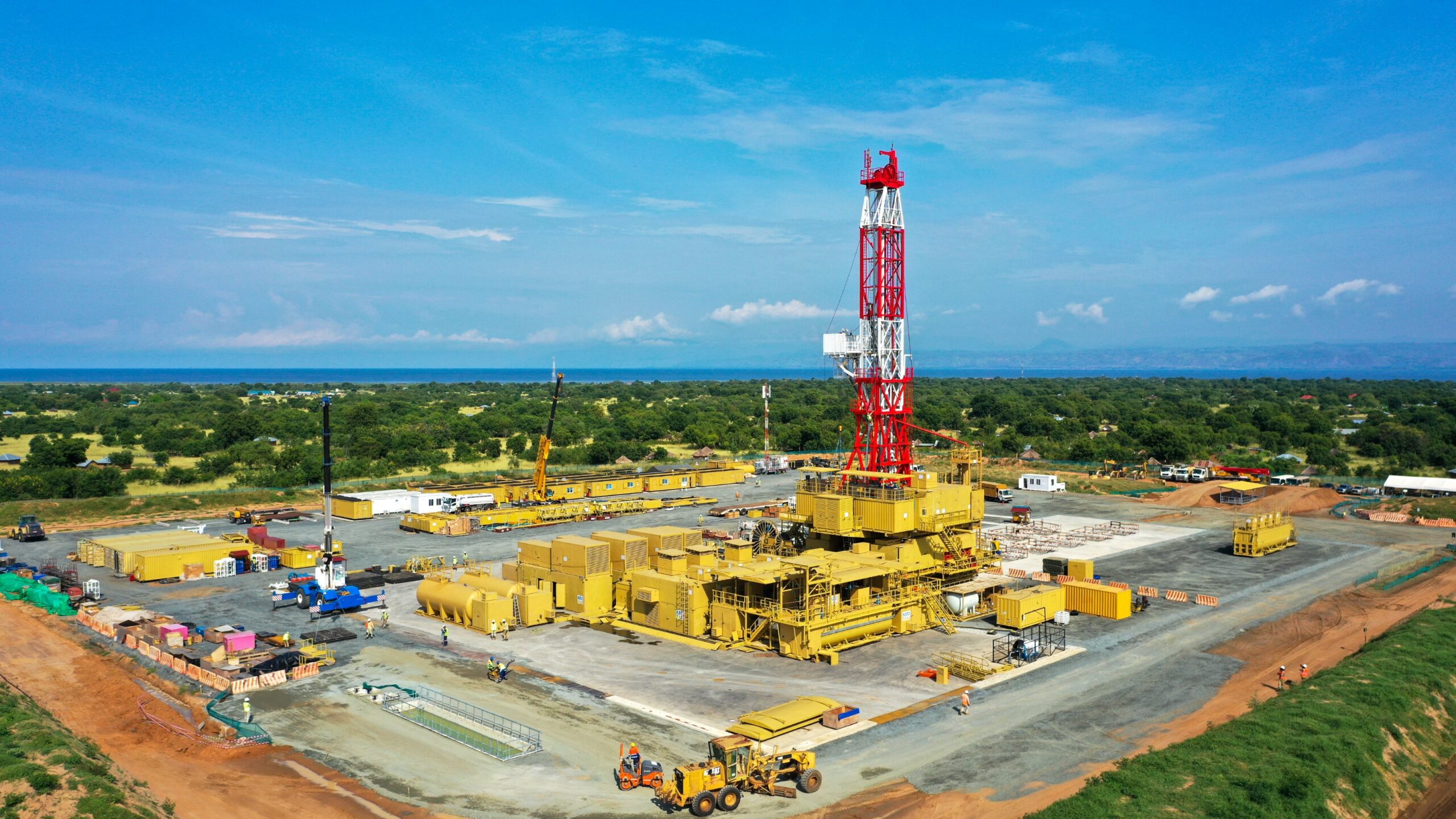
The Rigs in use are specially designed to operate with minimal noise, a necessity in a habitat shared with elephants, lions, and hundreds of bird species.
“We are using a silent rig specifically designed for this project, considering the ecological sensitivity of the area,” David Ochanda, the Biodiversity manager at TotalEnergies EP Uganda, said.
Operating within a national park requires noise levels to remain well below legal thresholds. The minimal sounds typically heard originate from vehicles supporting operational activities.
These silent rigs are part of a broader strategy to reduce acoustic disturbance to wildlife, particularly species sensitive to sound such as elephants, lions, and birds. The rigs also feature vibration dampening systems and acoustic shielding to further minimize impact. Within protected areas, minimizing light pollution is crucial.
To reduce disruption to nocturnal wildlife, the project uses warm-colored, low-glare lights. All lighting is directed inward within the well-pad to prevent light dispersion. Additionally, all equipment and vehicles are painted in ochre-yellow tones, earthy colors that blend into the landscape during both wet and dry seasons.
This visual camouflage helps maintain the park’s natural aesthetic and reduces disruption to animals that rely on darkness for movement and hunting. This approach helps preserve the natural night-time environment, which is essential for species like hyenas and leopards that rely on darkness for hunting and movement.
The lighting design also supports the park’s visual integrity, ensuring minimal disruption to tourism and scenic views.
Waste and water management
The project uses a comprehensive system to manage water contamination. Stormwater, which could be contaminated, is directed into a sump where it is tested and treated by certified waste management contractors.
This is part of a broader commitment to sustainable development, according to Ochanda. The water management system includes containment berms, impermeable liners, and real-time monitoring sensors to detect any leaks.
Treated water is either recycled for operations or safely discharged. To prevent flooding and manage runoff, retention ponds have been constructed. Solid waste is sorted at the source.
Hazardous materials are handled separately by licensed facilities, while organic waste is composted or incinerated.
Innovative Drilling: Horizontal Directional Drilling (HDD)
To extract oil while protecting sensitive ecosystems, the project is using Horizontal Directional Drilling (HDD). This technology allows drilling to occur from a single, centralized location, with wells extending horizontally underground to access oil reserves without disturbing the surface.
This method was particularly important at the Murchison Falls-Albert Delta Ramsar site, a wetland of international importance. HDD enabled the pipeline to pass beneath the Victoria Nile riverbed, avoiding surface damage to this critical habitat for species like crocodiles and migratory birds.
Tracking wildlife
To understand the effects of oil operations on wildlife, TotalEnergies and conservation partners have satellite-collared 15 elephants.
Data from this initiative, managed in partnership with the World Conservation Society (WCS), indicates that some elephants already ranged outside the park before oil exploration began, dispelling the misconception that operations are pushing them into community lands.
Dung samples analyzed at Makerere University show that elephant stress levels remain within normal ranges. Stress levels tend to be higher during the dry season (January-March) due to a scarcity of food and water.
The tracking data also helps guide infrastructure placement to keep migration corridors open and reduce human-wildlife conflict.
SMART conservation tools
The Spatial Monitoring and Reporting Tool (SMART) is being used in Murchison Falls national park to enhance conservation efforts.
TotalEnergies EP Uganda and the Wildlife Conservation Society are supporting this initiative by training park rangers. The rangers use the tool to collect and upload data on poaching, wildlife sightings, and habitat changes in real-time.
SMART helps park authorities to plan and enforce conservation measures more effectively and supports predictive modelling to anticipate threats and deploy resources.
Uganda’s use of these technologies is demonstrating that industrial development can coexist with nature, setting a precedent for environmentally responsible oil exploration.
