)
Innovative Delivery and Payment Systems
Expanding Reach and Local Engagement
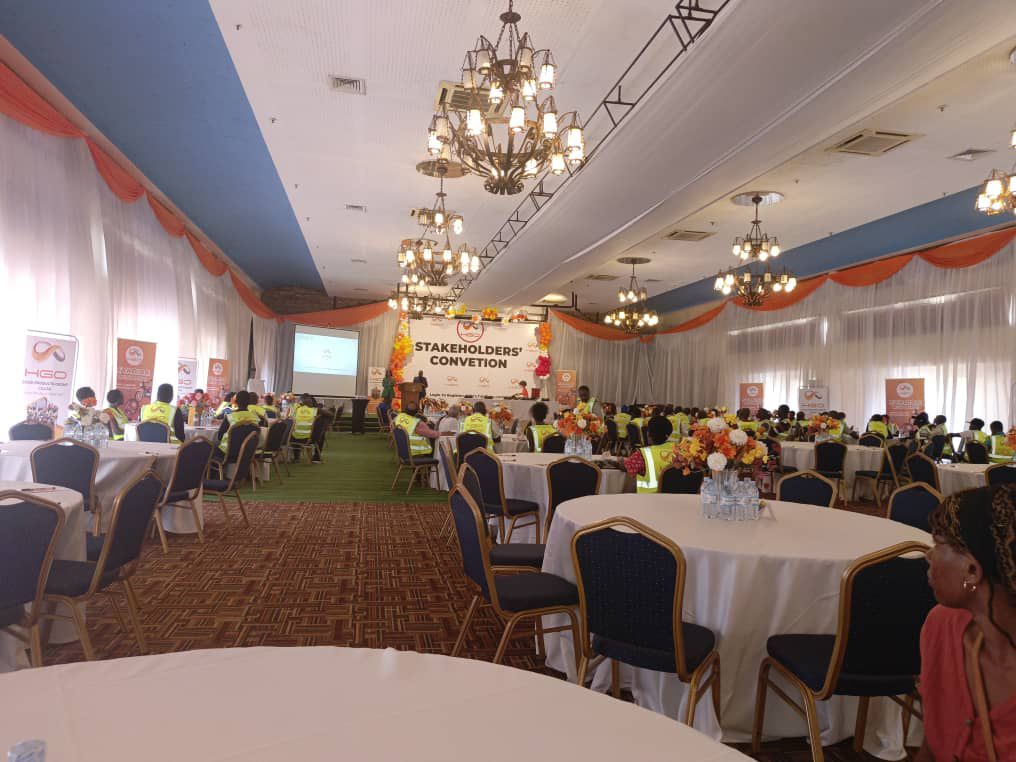
To kickstart its operations, HGO is initiating a major TV shopping campaign in partnership with local media houses, including UBC TV, Star TV, and Magic HD.
Innovative Delivery and Payment Systems
To kickstart its operations, HGO is initiating a major TV shopping campaign in partnership with local media houses, including UBC TV, Star TV, and Magic HD.

More than 860 companies have signed up for MTN Uganda’s digital supply chain platform for Fast-Moving Consumer Goods (FMCG), less than two years after its launch in 2023.
Dubbed the FMCG Digital Suite, the mobile-based platform digitises and automates key supply chain functions, including ordering, invoicing, payments, and returns in real-time.
MTN says the platform has gained traction among businesses dealing in beverages, dairy products, alcohol, and household essentials.
“The FMCG business suite represents a significant step in our mission to empower businesses, enhance operational efficiency, and enable cashless payments within the consumer goods ecosystem,” said Richard Yego, managing director of MTN Mobile Money Uganda.
Uganda’s FMCG sector has traditionally been characterised by fragmented supply chains and heavy reliance on cash transactions. MTN says the platform is now helping improve transparency and reduce fraud and theft in distribution by enabling businesses to place orders, reconcile deliveries, and make payments via MTN Mobile Money.
“We’ve created a smarter supply chain that empowers both manufacturers and last-mile sellers. It’s a win-win that improves liquidity, boosts trust in transactions, and supports business sustainability,” said MTN Uganda CEO Sylvia Mulinge.
In a related development, MTN Uganda has rolled out MoMo Coach, an AI-powered WhatsApp chatbot offering micro-learning modules to mobile money agents and merchants. The digital tool covers topics such as Start Your Business, Manage Your Money, and Grow Your Business, with the aim of improving financial and digital literacy.
As of December 2024, MTN Mobile Money had 85,900 MoMo merchants and over 213,000 agents across the country. MTN says the combined approach, providing access to digital tools and building digital skills, which is part of a broader strategy to support small and medium-sized enterprises (SMEs) and enhance business resilience.
According to the International Trade Administration, Africa is projected to have over 500 million e-commerce users by 2025. Meanwhile, the UN Conference on Trade and Development (UNCTAD) estimates digital commerce could contribute up to $180 billion to Africa’s GDP this year.
“We are committed to supporting the FMCG industry’s evolution,” said Yego. “The success of this platform is just the beginning. As digital adoption deepens, we foresee broader ecosystem opportunities that support economic growth.” MTN says its FMCG Digital Suite is fast becoming a benchmark for digital transformation in Uganda’s retail and distribution sector.

The Uganda Revenue Authority (URA) Commissioner General John Musinguzi has revealed that the tax body has initiated an appeal process against the High Court ruling that favored Heritage Oil in an over-a-decade-long tax dispute case.
While speaking to journalists, Musinguzi stated that URA was not satisfied with the court decision and has already initiated the legal process to appeal the case together the Attorney General.
Court, as well as in arbitration in London. “There is no need for alarm. This is the same old case that was rule
He added that URA has been favored thrice in this same case: first in the Tax Appeals Tribunal, then in the first attempt in the High Court, as well as in arbitration in London. “There is no need for alarm. This is the same old case that was ruled on by the Tax Appeals Tribunal, where Heritage’s claim not to pay CGT was dismissed with costs. Their appeal to the High Court was also dismissed, and they went for arbitration in London.”
The Commissioner General further noted that this case is appealable, emphasizing that it’s the same case URA has successfully won under various legal frameworks. “It’s not fair that somebody comes here, makes an investment, and when they earn, they refuse to pay tax,” he added.
URA is supposed to pay UGX 709 billion to Heritage Oil and Gas Ltd for erroneously slapping a Capital Gains Tax of UGX 164.4 billion and UGX 542.5 billion in interest after the oil company sold its exploration stake in Uganda to Tullow Oil.
The Commercial Division of the High Court, presided over by Justice Susan Abinyo on 23rd December 2024 ordered URA to refund Heritage Oil refund the excess money it had collected in Capital Gains Tax. This followed an appeal of the 2010 Tax Appeals Tribunal decision that favored URA.
“Accordingly, this court makes the following declarations and orders: 1) The computation of the Capital Gains Tax excludes the sum of USD 150 million, which formed part of the cost base and is therefore not subject to tax. 2) The respondent shall compute the Capital Gains Tax by the order in (1) above, and the appellant shall be entitled to a refund of the excess sum in the contested amount herein,” the ruling reads in part.
It further states, “The computed amount in (2) above, and as required under section 31 (2) of the Tax Appeals Tribunal Act, Cap. 341 (Revised Laws of Uganda, 2023 Edition), the respondent shall pay statutory interest to the appellant on the excess tax at a rate of 2 percent per month, prescribed in section 123(4) of the Income Tax Act, from the date the appellant paid the excess tax till the respondent refunds the tax in full.”
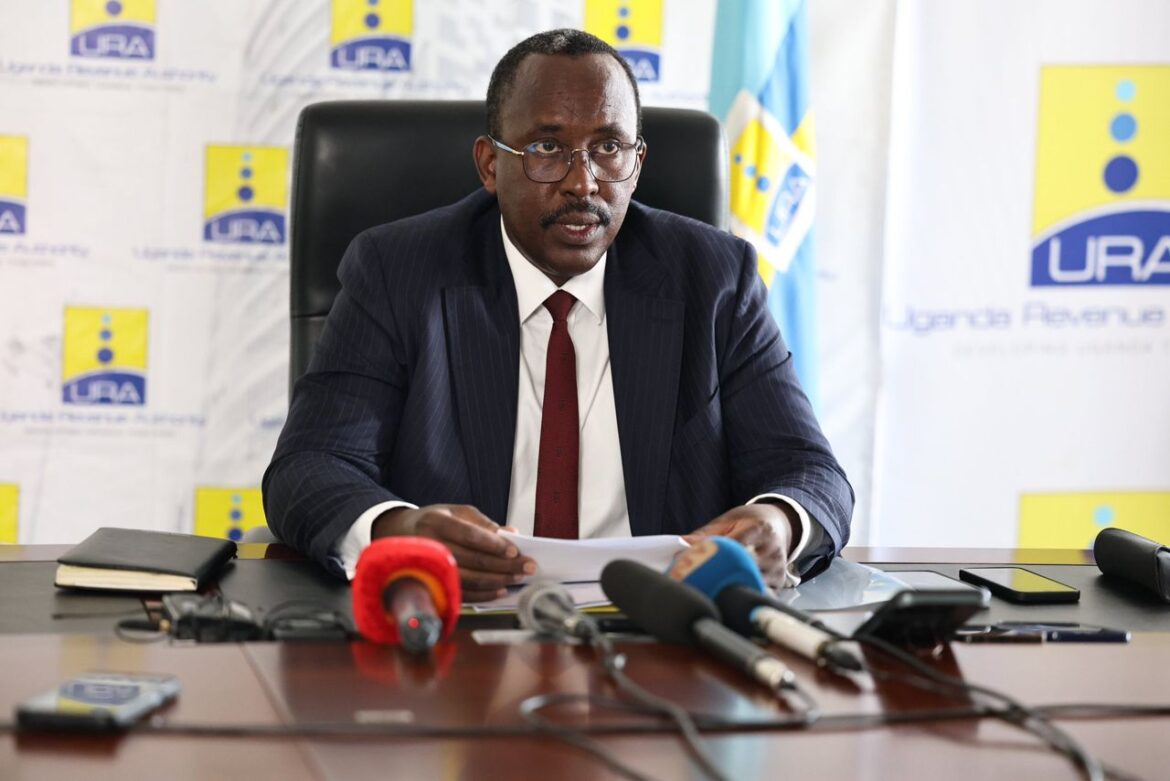
The Commissioner General of the Uganda Revenue Authority (URA), John Rujoki Musinguzi, has announced plans to appeal a High Court ruling that mandates the tax authority to refund $45 million (Shs166 billion) Heritage Oil and Gas Limited.
The Commercial Division of the High Court ruled that URA had erroneously computed the Capital Gains Tax (CGT) on the 2010 sale of Heritage Oil’s assets to Tullow Oil, a deal worth over $1.5 billion.
The court found that URA failed to account for exploration costs incurred by Heritage, amounting to $150 million, in its CGT calculation.
This omission, according to the judgment, led to an inflated tax liability and overpayment by Heritage Oil.
The court’s decision has been hailed as a significant victory for the company, which had contested URA’s tax assessment for years, arguing that the sale was unfairly taxed.
In an exclusive interview with NBS TV, Musinguzi expressed dissatisfaction with the ruling, asserting that URA adhered to proper procedures in calculating the CGT.
“We believe that the ruling was not based on a fair interpretation of the law and the facts at hand,” said Musinguzi.
“Our position is that the costs associated with the sale of assets, including exploration costs, were adequately considered when calculating the tax obligations.”
Describing the decision as “unfair,” Musinguzi reiterated URA’s commitment to ensuring tax compliance while defending its methodology.
He noted that the tax authority would challenge the ruling in a higher court to seek a fair outcome.
The $45 million refund, to be paid with interest, represents a significant financial and reputational challenge for URA.
If upheld, the ruling could set a precedent for other companies disputing tax calculations and refund claims.
This case highlights the complexities of Uganda’s tax regime, particularly regarding high-value transactions in the oil and gas sector.

Uganda has delayed in its implementation of the proposed ban despite past attempts, largely due to push back from SHC traders and diplomatic pressure from the US. However, in early 2024, the President re-asserted his commitment to implementing this ban, to grow the domestic textile subsector.
The Economic Policy Research Centre (EPRC), a widely respected think tank, has recently published a Policy Note on the implications of phasing out imports of used clothing. This is something President Yoweri Museveni has frequently expressed the need for if the domestic textiles industry has any chance of becoming viable.
Titled Phasing out Second-Hand Clothes: Opportunities and Challenges for Uganda’s Textile Industry, the authors are Aida Kibirige Nattabi, Philemon Okillong, Isaac Shinyekwa and Emmanuel Ogenrwoth.
In spite of the 2016 stated intentions by the East African Community (EAC) Heads of State Summit to ban second-hand clothing (SHC) and footwear imports to allow the development of integrated textile and leather industries, Uganda continues to import these items.
Of the EAC members at the time, only Rwanda implemented the ban and as a consequence, was subsequently delisted from the African Growth and Opportunity Act (AGOA), a US preferential trade agreement.
The authors draw on various sources to point out, among other things, that while the proposed ban was designed to strengthen the regional textile sector, it may also cause short term job losses, and reduced import tax revenues.
Furthermore, since women and youth dominate the SHC trade, banning it will significantly impact Sustainable Development Goal Five, which seeks to achieve gender equality by promoting inclusivity and empowering women and girls.
As tariffs on SHC imports have increased and calls for the ban’s effective implementation more insistent, concerns have arisen that the domestic textile sector might struggle to meet local demand.
The ban could potentially create a larger market for cheaper clothing imports from Asia. This necessitates an understanding of Uganda’s market for SHC, in terms of imports, tax contribution and demand.
Findings show that China is now the largest source of SHC, followed by the United States and Canada. However, not all SHC imports are sold locally; some imports are re-exported to neighbouring countries.
Uganda largely re-exports SHC to East Africa Community markets. Total export values from 2014 to 2023 show that DRC was the leading destination ($6.1 million), followed by Kenya ($2.7 million), South Sudan ($2.3 million).
Rwanda was the fifth top destination, with a total of $1.1 million over the ten-year period. Although imports of worn clothing and clothing accessories to Rwanda dropped significantly after 2017, they grew in 2023, reaching $664,000 despite the ban. The re-export of second-hand garments to Rwanda is likely because EAC is governed by a single Customs Union, which implies that goods imported to the regional bloc can move freely cross the partner state’s borders.
While SHC tax revenue has increased, its contribution to total tax revenue has declined. Despite a rise in revenue generated from SHC taxes, from $47 million in FY2014/15 to $87 million in FY2022/23, its proportion of total revenue has decreased, falling from 1.56 percent to 1.27 percent during the same period.
Poor households’ expenditure on SHC has increased, but their budget share for clothes has decreased. In contrast, non-poor households spend more on both SHC and new clothes.
Urban households and those in Central and Western regions of Uganda spend more on new clothes. The significant expenditure on new clothes indicates a market for new clothes that the Uganda textile sector can tap into. However, given that Uganda’s textile subsector comprises 30 garment and footwear producers, the sector might not have the capacity to meet local demand.
Uganda has delayed in its implementation of the proposed ban despite past attempts, largely due to push back from SHC traders and diplomatic pressure from the US. However, in early 2024, the President re-asserted his commitment to implementing this ban, to grow the domestic textile subsector.
Although people have blamed the decline of Uganda’s textile subsector on the importation of SHC, others suggest that while the African textile industry declined at the time when SHC imports grew, but they could not determine a causal relationship between the two incidents.
Rather Structural Adjustment Programmes (SAPs), economic liberalization and de-industrialisation are the likely culprits. Similarly, other suggestions put forward pinpoint the dumping of counterfeits and smuggling of commodities, rising competition on the global market, failure of governments to promote domestic garment manufacturing, declining productivity of firms, and dominance of global value chains as the debilitating factors.
Consequently, the population prefers to procure clothing from the informal sector within which SHC traders operate, which challenges the reinvigoration of the textile sector.
Even though a 35 pc or 40 US cents/kg, whichever is higher, import duty rate was imposed on textile fabrics starting October 2020, the way to phase out SHC is still unclear. While the 2017 EAC Joint Communique suggested a three-year phase-out period, some have suggested that it is too short to allow the population to adjust. For example, the period doesn’t give sufficient time for industrial development, leaves limited options for substitution by the consumers, and no compensation for traders.
Uganda’s imports of worn clothing have been growing for the past years and surpassed the import of new clothes in 2010. As of 2023, Uganda imported worn clothing worth $95.9 million, compared to $79.1 million worth of new clothes.
In 2023, China exported SHC worth $58.7 million to Uganda, followed by the US ($13.2 million), Canada ($12.2 million) and India ($6.0 million). China has remained Uganda’s biggest supplier of SHC since 2014, after its exports grew exponentially between 2012 to 2014, to surpass both the US and UAE, who at the time were the top exporters.
The emergence of China as well as the UAE, India and Pakistan as major exporters to Uganda is due to the evolution of the global trade networks of SHC. Trading networks have grown beyond the direct market between the US and Africa. For example, direct export of SHC from the US to EAC as the final market accounted for a total 19.5 pc. Processing hubs have also emerged in China, Pakistan, and India, where they sort, treat, and bundle SHC from the US into bales for re-export to Africa.
The Sino-Uganda Relations, particularly an economic cooperation that commits to bilateral trade between the two countries guarantees China’s trade with Uganda, facilitating its exports of SHC to Uganda.
In addition, China’s dominance is rooted in its position as a global leader in the manufacturing of garments and textiles, but it is also a large consumer, discarding 26 million tons of clothing annually. This is because fast fashion, which is the low-cost manufacture of high volumes of garments, dominates China’s textile industry.

Glovo, a leading multi-category delivery platform has hosted its e-commerce day in partnership with key industry players, reaffirming its commitment to driving digital transformation in the region.
The event brought together businesses, thought leaders and innovators to explore opportunities for collaboration, growth, and innovation in the e-commerce sector.
The initiative showcased Glovo’s strategic focus on fostering partnerships that empower businesses to thrive in the digital economy.
Participants engaged in insightful panel discussions, hands-on workshops, and networking opportunities aimed at revolutionizing the delivery of goods and services through digital platforms.

Speaking at the event, Ivy Maingi, Glovo’s Country Manager, emphasized the company’s dedication to innovation and collaboration.
“At Glovo, we are committed to transforming the way businesses and customers interact by leveraging technology. Our partnerships are integral to ensuring that e-commerce solutions are not only convenient but also inclusive and impactful. E-Commerce Day is a testament to our mission to make everything within reach for everyone.”
Adding to the conversation, Nathan Ngorok, Senior Account Manager highlighted the importance of partnerships in scaling e-commerce operations.
“Our goal is to enable businesses of all sizes to reach their customers efficiently and effectively. By working together with our partners, we’re able to push the boundaries of what is possible in the digital economy. Events like E-Commerce Day are important for promoting meaningful collaborations that drive shared success.”
 Nathan Ngorok, Senior Account Manager at Glovo Uganda
The event also spotlighted Glovo’s innovative solutions designed to address key challenges in last-mile delivery, customer satisfaction, and the integration of small and medium-sized enterprises (SMEs) into the e-commerce ecosystem.
Glovo reaffirmed its role as a catalyst for growth in the industry, offering tailored solutions to meet the needs of diverse markets and demographics.

Governor Mutebile 1949-2022. He is yet to be replaced.
The State Minister of Finance, Henry Musasizi, has spoken out on the money heist at the Bank of Uganda (BOU) in which over 60 billion shillings was reportedly siphoned from the institution’s accounts in September this year and channeled to foreign accounts.
Musasizi was provoked to respond to the ongoing investigations at BoU by the Leader of Opposition in Parliament, Joel Ssenyonyi, who expressed concern over the government’s silence on a matter that has attracted local and international media.
Ssenyonyi said an issue concerning the Central Bank should not be taken lightly because it affects the public. He added that it was paramount for the government to come out and inform the citizens of what was happening at BoU.
In response, Musasizi said the matter was being investigated by CID and the Auditor General and promised to update the Parliament in a month’s period.
Musasizi also refuted claims that over 60 billion was siphoned insisting it was less than what is being reported in the media.
BoU probe of 60 billion shillings was first reported as an external hacker but it later turned out to have been an insider job. URN understands that President Yoweri Museveni first assigned CID to probe the matter.
Sources have said that after establishing that there was internal handwork of BOU and the Ministry of Finance, the President asked Defence Intelligence and Security (DIS) formerly Chieftaincy of Military Intelligence (CMI) to take the lead in collaboration with CID, and ESO.
It is reported that so far 17 people including nine BOU staff, six finance staff and two from the accountant general have been probed and five are allegedly being detained by CMI and CID at formerly SIU offices in Kireka.
Electronic gadgets of staff under probes such as laptops and smartphones have been confiscated by the probe team and all those that have been probed have reportedly been put under tight security surveillance.
The money ended up in countries such as Japan and the United Kingdom. It is reported that BOU, CID and NITA-U ICT experts traced the money and the affected institution contracted their counterparts to who blocked withdraws of at least $11m.
Investigation underway
Earlier reports indicate that a joint team of investigators from Defence Intelligence and Security former Chieftaincy of Military Intelligence (CMI) and Criminal Investigations Directorate (CID) has so far probed 17 suspects connected to more than 60 billion shillings stolen from the Bank of Uganda.
Sources told Uganda Radio Network (URN) that the $16m million was criminally transferred from BoU accounts to foreign banks in countries such as Japan and the United Kingdom (UK) and was the handwork of staff at the central bank and Ministry of Finance.
URN has been told that out of the 17 people so far probed, nine are workers of BoU, six are at the finance ministry and two are from the accountant general’s office. “This probe is in its fifth week and so far 17 people have been probed. All the interrogated persons have been put under strict security watch and their electronic gadgets such as smartphones and laptops have been seized,” the source said.
However, URN could not verify nor confirm the information since the spokespersons of the involved security agencies did not respond to the inquiry.
Assistant Commissioner of Police Kituuma Rusoke, the Police Spokesperson was attending a meeting while Brig Felix Kulayigye, the Army Spokesperson made our calls busy.
Sources said five people are already in custody at the former Special Investigations Division (SID) at Kinawataka, Kireka, Nakawa Division, in Kampala.
This facility is used by both th police’s Crime Intelligence and the Army’s DIS. The information regarding the detained suspects could also not be confirmed since Rusoke and Brig Gen Kulayigye were not available for comment.
By press time, URN was informed that Joint Operations Commit –JOC had called a meeting to discuss the BoU money heist probe with the view of selecting a committee that will monitor the progress of investigations being led by DIS and CID.
“When such an incident happens, the President guides on how it should be handled. Since he has already assigned CMI to take the lead in collaboration with CID and ESO, our work as JOC is to select a team that will oversee these investigations and we report directly to the President,” a security officer said.
Details so far gathered by DIS and CID indicate that the money was moved from BoU to foreign banks in the month of September. The source said BOU after unearthing the criminal transactions and with the help of cyber experts from DIS, CID and NITA-U traced some of the money on foreign accounts and contacted its counterparts and the accounts were frozen.
“The last information I got from investigators, particularly the cyber team is that $11m was yet to be withdrawn from the accounts and with the help of officials in the countries where it had been sent, these accounts were frozen. Our task is to trace where the remaining money is,” a source said.

Insurance companies have been implored to build trust from their clients by changing in ways that enhance profitability and deliver sustained outcomes.
Speaking during a CEO breakfast organized by the Insurance Regulatory Authority at Kampala Serena Hotel, Centenary Bank Managing Director, Fabian Kasi said it not enough for insurance companies to only focus on making profits without thinking about sustainability.
“There must be transparency in your services. If an insured stops contributing premiums and they lose what they have contributed for the last five years, they will label the insurance company as thieves. But if you explained this to them at the start of the insurance policy well, they will understand and there will not be problems. They will just buy the policy or not buy. Transparency is very key that every time you get a client, you must explain to them very well by providing the key fact documents,” Kasi said.
“That way, you are building trust that without it, there is no business. You must build trust and confidence because that way you will have people into your company. Today you may be able to get profits but tomorrow you wont be able to get them because you didn’t care about the impact that your business is doing to your customers.”
He insisted that profits transcend mere numbers but good practices to ensure sustainable.
“We have to ensure we contribute to the sustainability of the environment to ensure society is positively impacted.”
The Centenary Bank Manager said it doesn’t make sense for companies to just push out products to the market without building trust, noting that it should be the public seeking out the products by these companies.
On this, he urged the companies to design products targeting specific segments of society, including youths, women and refugees.
“Those specific segments should have specific products for them with the use of technology. Invest in technology. It might be expensive but is worth it. Technology will create convenience for customers and this way you will attract more clients, ”Kasi said.
The Insurance Regulatory Authority CEO, Al Haj Ibrahim Kaddunabbi Lubega, urged insurance companies to borrow a leaf from Centenary Bank’s journey from a small bank to where it is now.
“This journey is one where insurance companies must pick lessons for them to grow. For example, one of the quick takeaways is that we must now target the people who are under served or not served at all like youths, women and refugees. This way we shall see an increase in the clientele for insurance companies.”
“Technology is a must have for insurance companies. It is an expensive venture but there is no way out of it”.

The Connect for Culture Africa (CFCA) report on the Baseline Study and Stakeholder Mapping for Public Investment in Uganda has highlighted the insufficient prioritization of public funding for the cultural sector, which has hindered its growth.
The report was presented to the Ministry of Gender, Labour and Social Development on Monday.
Conducted in March and April 2024, the study was guided by the UNESCO Framework for Culture Statistics (2009) and focused on various domains, including Performing Arts, Visual Arts, Cultural Heritage, Media, and Creative Services.
The study aimed to assess the current landscape of public funding for Uganda’s culture sector and map critical stakeholders to enhance investment and advocacy for cultural development.
The findings revealed that budget allocations for culture remain low, consistently under 0.05% of the national budget, indicating a significant funding shortfall that obstructs the sector’s growth.
The report states that Public funding for Uganda’s cultural sector is severely restricted, with allocations consistently falling below 1% of the national budget.
For example, the sector received only 0.0012% in 2021/22 and 2022/23, slightly increasing to 0.018% in 2023/24, with a projected 0.016% in 2024/25.
The Department of Culture’s 2023/24 budget was approximately Shs9.069 billion, or 0.016% of the Ministry’s budget, and overall government spending on culture, recreation, and religion has hovered at 0.1% over the last five years.
Similarly, local government expenditure on culture remains low, peaking at just 0.4% in 2019/2020, highlighting a lack of prioritization and funding that has constrained sector growth, infrastructure development, and capacity building. Challenges Identified:
The report highlights foremost among the challenges being the lack of a dedicated budget line for culture within public investment frameworks.
“Without specific classification as an independent vote in the national budget, funds meant for the culture and creative sector are scattered across various institutions, complicating coordination and tracking of resources,” the report states.
While receiving the report, Ms. Juliana Naumo Akoryo, the commissioner for culture at the Ministry of Gender, Labour, and Social Development, expressed her gratitude to CFCA for producing the report, which she believes will assist in addressing financial gaps and other challenges facing the cultural sector.
“I agree that our partnership is still weak. We recognize these issues and look forward to learning from the recommendations provided. ..We cannot do it alone, and you cannot do it alone. We should not work in silos. With this, we shall be able to improve on the legal and policy frameworks,” she remarked.
In her comments, Alma Estrada, the International Project Coordinator for CfAC, mentioned that following the report, they are now working on various advocacy initiatives to build capacity and raise awareness about the potential of Uganda’s creative sectors.
She emphasized that Uganda is one of Selam’s key focus countries, where they are advocating for increased public investment to ensure a vibrant cultural future.
“But this is not the only place where we are. CfCA is a regional initiative, so we started up with four focus markets last year, with the other three being Zambia, Zimbabwe, and Ethiopia,” Estrada said.
Aisha Namatovu, the president general of Pearlwood, praised CfAC for providing over $10,000 (approximately Shs36 million) to support the survey, which facilitated capacity building and allowed for the hiring of a top experts to conduct the research.
“They (CfAC) have funded capacity building in the creative sector, training of the cultural professionals and training of the cultural practitioners. They have funded research for this report and they have also funded the review of the national culture policy,” Namatovu said.
She added, “You have created a great impact. We are currently in the networks, we are talking about providing training and supporting the creative sector in so many different ways and a lot of things we talked about,”
She highlighted that the report chipped into most of the challenges notably lack of information, and the lessons to pick from.
“But as we identified from the beginning, the biggest challenge was the lack of information. We didn’t have the information and that’s why we went back to say, let’s go back and do this baseline and after mapping so that we get to know the exact information from the stakeholders in the industries,” she said.
By examining Uganda’s public budget allocation processes, existing literature, and historical data from entities like Uganda Bureau of Statistics, the research provided a detailed overview of the financial and structural challenges facing the culture sector.
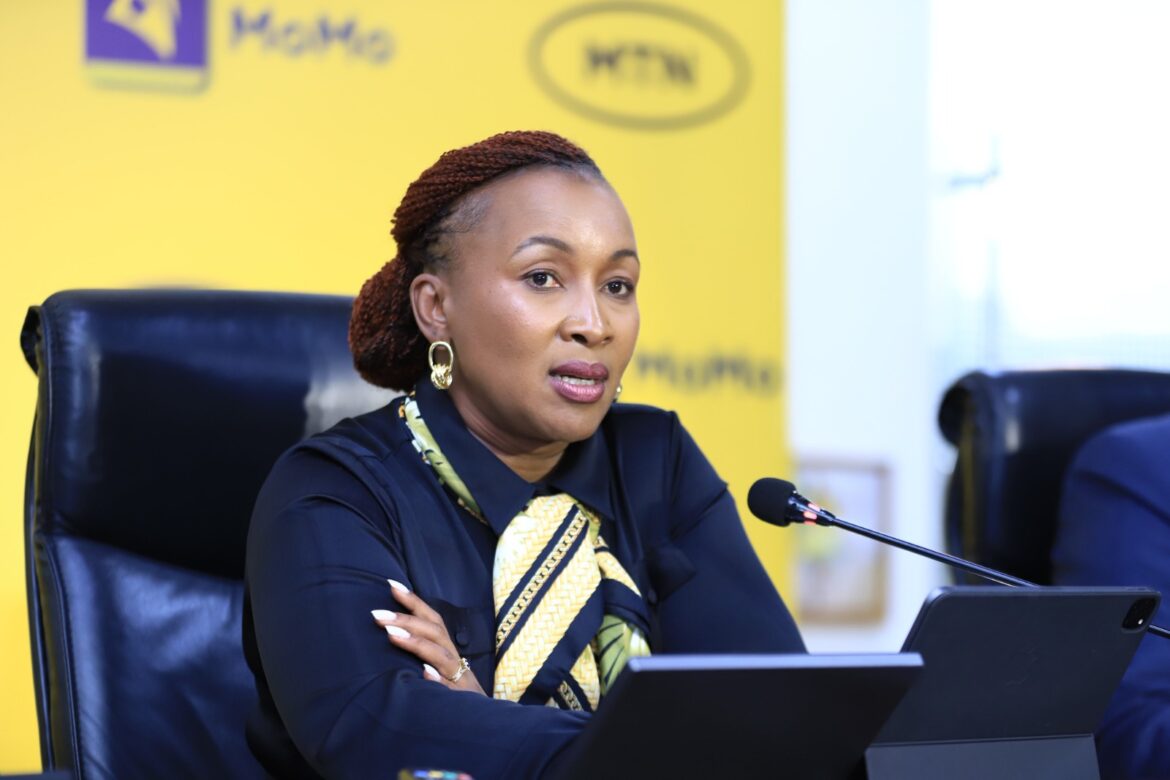
Kampala — MTN Uganda reported an impressive 29.6% year-on-year increase in profit after tax for the nine months ending September 30, amounting to Shs459.4 billion.
The telecom giant attributed this growth to significant expansions in data and fintech services, as well as a continued commitment to enhancing Uganda’s digital and financial inclusion.
Service revenue surged by 20.1% to Shs 2.31 trillion, with data and fintech segments posting gains of 30.1% and 23.5%, respectively.
CEO Sylvia Mulinge credited the success to MTN Uganda’s strategic focus on expanding high-demand services and streamlining operations.
“Our substantial growth in profit and service revenue highlights MTN Uganda’s role as a leader in Uganda’s digital transformation journey,” said Mulinge.
“By focusing on our data and fintech verticals and investing in network quality, we have managed to expand access to digital and financial services for millions of Ugandans, while also enhancing profitability.”
The company’s total subscriber base rose by 13.3% to 21.6 million, driven by strong growth in both data and mobile money users.
Data subscribers increased by 24.1%, reaching 9.3 million, while mobile money users rose by 13.2%, bringing the total to 13.2 million.
This subscriber growth was supported by MTN Uganda’s continued investment in 4G and the rollout of 5G, which has expanded access to faster, more reliable internet across Uganda.
MTN Uganda invested Shs 297.9 billion in capital expenditure to expand its network and enhance service quality.
This funding went toward expanding 4G coverage from 83.7% to 87.9% and launching 5G, enabling faster internet speeds for consumers.
Additional infrastructure improvements included extending fiber networks in Kampala and key upcountry areas.
“Our investment in digital infrastructure is foundational to delivering a superior customer experience and driving Uganda’s digital economy,” noted Mulinge.
“By expanding 4G and launching 5G, we are empowering Ugandans with faster and more reliable connectivity, essential for economic growth and innovation.”
The company’s device financing strategy also helped drive a 48.5% increase in data traffic as smartphone penetration expanded, with more Ugandans accessing the internet and taking advantage of MTN Uganda’s data offerings.
Fintech services continued to grow, as mobile money transactions surged to Shs 114.5 trillion—a 13.3% increase over last year.
Profitability and Dividends Reflect Strong Performance
MTN Uganda’s earnings before interest, taxes, depreciation, and amortization (EBITDA) grew by 22.3%, with the EBITDA margin rising to 51.7%, attributed to operational efficiencies and a favorable economic environment.
As a result, MTN Uganda declared a second interim dividend of Shs 7.5 per share, rewarding shareholders for the company’s robust performance.
Looking to the future, MTN Uganda plans to sustain its growth by focusing on its Ambition 2025 strategy, which prioritizes digital inclusion, financial service expansion, and infrastructure investments.
The company expects to maintain “upper-teen” growth in service revenue and keep its EBITDA margin above 50%.
“Our success is driven by our dedication to our customers, employees, and stakeholders, and we are excited about the opportunities that lie ahead,” said Mulinge.